
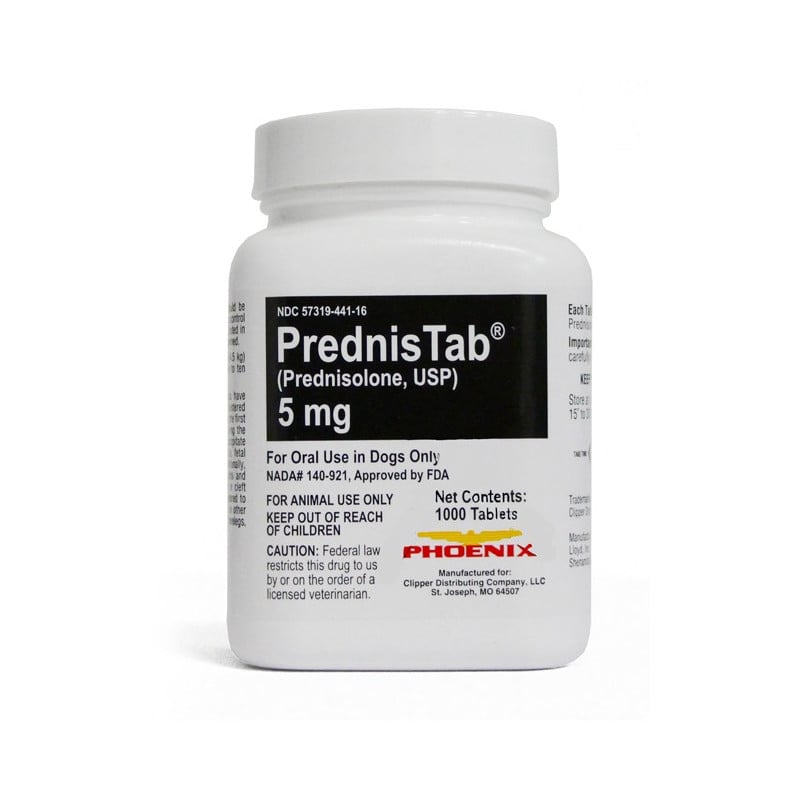


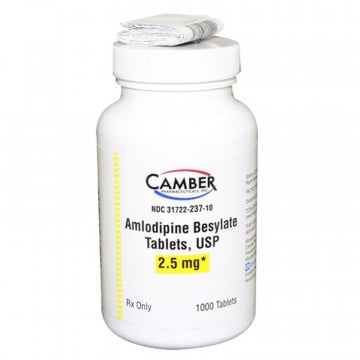






Prednisolone rx

  • Sold per tablet
    Bandana Buck Earn 1 Bandana Buck for every $1 spent on products

What is Prednisolone?

Prednisolone is a corticosteroid used to treat allergies, arthritis, breathing problems (eg, asthma), certain blood disorders, collagen diseases (eg, lupus), certain eye diseases (eg, keratitis), cancer (eg, leukemia), endocrine problems (eg, adrenocortical insufficiency), intestinal problems (eg, ulcerative colitis), swelling due to certain conditions, or skin conditions (eg, psoriasis). It may also be used for other conditions as determined by your veterinarian. Prednisolone requires a prescription from your veterinarian, and is sold per tablet.

For:

Cats and Dogs

Benefits:

  • Treats various inflammatory and auto-immune conditions
  • Controls and treats swelling and itchy skin caused by allergies
  • Reduces redness, itching, and allergic reactions affecting the eyes

Cautions:

Talk to your veterinarian, before giving your pet any over-the-counter or other prescription medications while giving prednisolone. Tell your veterinarian if your pet has kidney or liver disease, heart disease, stomach ulcers, hypothyroidism, diabetes mellitus, or any other medical conditions. Tell your veterinarian if your pet is pregnant or lactating.

Brand Name

Various

Generic Name

Prednisolone

What happens if I miss giving a dose:

It is important that you do not miss any doses of this drug and you should give it at about the same time every day at even intervals. If you do miss a dose, give the dose as soon as possible. If it is almost time for the next dose, skip the missed dose, and continue with the regular schedule. Do not give the pet two doses at once.

Possible side effects of Prednisolone:

There are possible side effects, including insomnia, nausea, vomiting, upset stomach, and fatigue. If any of the following serious side effects occur, stop giving prednisolone and seek emergency veterinary care: an allergic reaction (difficulty breathing; swelling of the lips, tongue or face; hives), increased blood pressure, or sudden weight gain. Continue giving prednisolone and talk to your veterinarian if your pet experiences insomnia, nausea, vomiting or stomach upset, fatigue, muscle weakness or joint pain, problems with diabetes control, or increased hunger or thirst. Other side effects that occur rarely, usually with high doses of prednisolone include thinning of the skin, cataracts, glaucoma, or behavior changes. Other side effects may also occur.

Storage:

Store prednisolone at room temperature away from moisture and heat. Keep this medication away from children and pets.

Directions:

Give this medication as directed by your veterinarian. Do not give more or less than is prescribed by your veterinarian. Keep plenty of water available for your pet. Prednisolone should be given with food to avoid stomach upset. Prednisolone should not be stopped suddenly. There should be a slow reduction in dosage before stopping.

Dosage:

PetWeightDosage
Dogs/Cats:All weightsThe usual dose is determined based on the condition being treated and the pets response to treatment. Prednisolone should be given with food. Allow plenty of water for your pet to drink
Horses:XX

Main Ingredients:

Prednisolone

  • Treats various inflammatory and auto-immune conditions
  • Controls and treats swelling and itchy skin caused by allergies
  • Reduces redness, itching, and allergic reactions affecting the eyes

30 other products in the same category:

From our veterinary blog

The Importance of Routine Vet Visits in the Age of Online Pharmacies

The convenience and cost savings of online pet pharmacies have revolutionized how pet owners access medications, but they've also created an unintended consequence: some pet owners are reducing their veterinary visits, believing that easy access to medications diminishes the need for regular...

Why Your Dog's Deworming Schedule Matters More Than You Think

Most dog owners view deworming as a simple puppy procedure that becomes less important as their pet matures. This misconception leads to countless preventable health problems and expensive veterinary bills that could be avoided with proper understanding of ongoing deworming needs.

How to Read Pet Medication Labels: Dosage, Warnings, and Storage

Understanding how to properly read pet medication labels is crucial for every pet owner's responsibility in maintaining their furry friend's health and safety.
Protect your cats against heartworms

Heartworm disease is a serious but preventable threat to your cat’s health. Learn how heartworms spread, the signs of infection, and the best prevention methods to keep your feline companion safe, healthy, and heartworm-free all year round.

Ticks: Treatment and Prevention

Ticks can cause serious illness in cats and dogs, but with proper care, they’re easy to control. Learn how to spot, safely remove, and prevent tick infestations using proven treatments and year-round protection tips to keep your pet healthy and parasite-free.
Diagnosing and Managing Pancreatitis in Dogs

Pancreatitis in dogs can be painful and dangerous if not treated early. Learn how to recognize the symptoms, get an accurate diagnosis, and manage recovery through proper diet, veterinary care, and ongoing prevention to keep your dog healthy and comfortable.

Effectiveness of Over the Counter Flea Products

Not all over-the-counter flea products are created equal. Discover how these treatments work, what makes some more effective than others, and how to choose safe, reliable options to protect your pets from fleas without wasting time or money.