






Fluconazole rx

  • Sold per tablet
    Bandana Buck Earn 1 Bandana Buck for every $1 spent on products

What is Fluconazole?

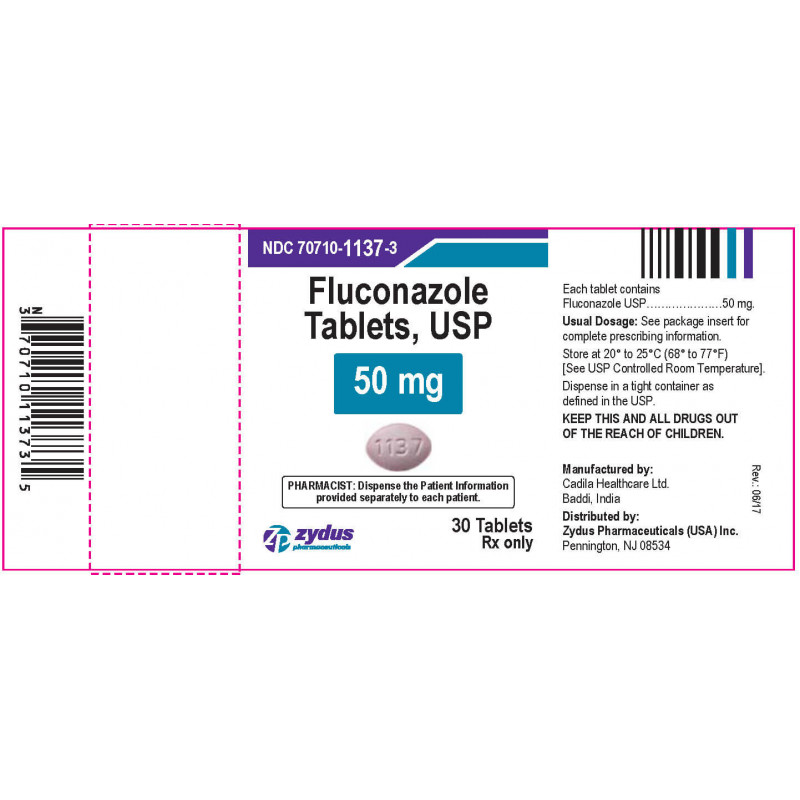
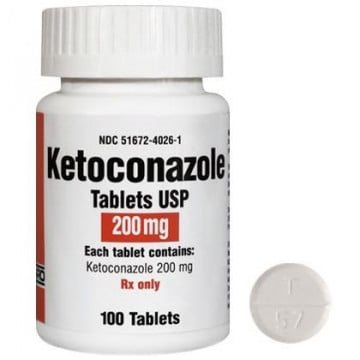
Fluconazole is an antifungal drug effective against fungus and yeast. It is typically used for skin infections, fungus in the nailbeds, and more intense fungal infections including Blastomycosis and Histoplasmosis. It is related to Ketoconazole, but is able to more effectively cross the brain-blood barrier, making it more successful in treating fungal infections of the central nervous system. Fluconazole is also effective against ringworm, but is typically reserved for more serious infections. Fluconazole requires a prescription from your veterinarian, and is sold per tablet. Fluconazole has fewer side effects than most other antifungals.

For:

Cats and Dogs

Benefits:

  • Treats various fungal infections
  • More successful in treating fungal infections of the central nervous system (CNS) than many other antifungals
  • Has fewer side effects than most other antifungals
  • Is effective against ringworm

Cautions:

Do not give fluconazole to pregnant pets. Use caution when administering this drug to diabetic pets, lactating pets, kidney disease or liver disease. Always tell your veterinarian about any other medications, vitamins, or supplements your pet is taking before giving fluconazole to your pet. Do not give fluconazole to any pets who are sensitive or allergic to other "azole" antifungal medications, such as ketoconazole.

Brand Name:

Fluconazole

Generic Name:

Fluconazole

What happens if I miss giving a dose:

Give the dose as soon as possible. If it is almost time for the next dose, skip the missed dose, and continue with the regular schedule. Do not give your pet two doses at once.

Possible side effects of Fluconazole:

Fluconazole has been found to be very safe in pets, but not extensively researched. These side effects have been observed in humans on this drug:


  • Allergic reaction (labored breathing, hives, etc)
  • Vomiting
  • Diarrhea
  • Skin rash
  • Loss of appetite
  • Dark urine or jaundice due to liver failure
  • Pale tongue, gums, and nose

Talk to your veterinarian immediately if your pet develops any of the above side effects.

Storage:

Store this product at room temperature in sealed containers. Keep out of reach of children and pets.

Directions:

Give fluconazole as directed by your veterinarian. Have plenty of drinking water available for the pet. Even if your pet feels better, the entire prescription and treatment plan should be completed to prevent relapse or prevent the development of resistance unless notified by your veterinarian.

Dosage:

Dogs/Cats:

WeightDosage
All weightsDosage and how frequently you will need to administer the medication depends upon the particular infection being treated. Follow your veterinarian's instructions.


Horses:
Do not use!


Fluconazole:
Active IngredientsAmount
Fluconazole100 mg
  • Treats various fungal infections
  • More successful in treating fungal infections of the central nervous system (CNS) than many other antifungals
  • Has fewer side effects than most other antifungals
  • Is effective against ringworm

10 other products in the same category:

From our veterinary blog

The Importance of Routine Vet Visits in the Age of Online Pharmacies

The convenience and cost savings of online pet pharmacies have revolutionized how pet owners access medications, but they've also created an unintended consequence: some pet owners are reducing their veterinary visits, believing that easy access to medications diminishes the need for regular...

Why Your Dog's Deworming Schedule Matters More Than You Think

Most dog owners view deworming as a simple puppy procedure that becomes less important as their pet matures. This misconception leads to countless preventable health problems and expensive veterinary bills that could be avoided with proper understanding of ongoing deworming needs.

How to Read Pet Medication Labels: Dosage, Warnings, and Storage

Understanding how to properly read pet medication labels is crucial for every pet owner's responsibility in maintaining their furry friend's health and safety.

Protect your cats against heartworms

Heartworm disease is a serious but preventable threat to your cat’s health. Learn how heartworms spread, the signs of infection, and the best prevention methods to keep your feline companion safe, healthy, and heartworm-free all year round.

Ticks: Treatment and Prevention

Ticks can cause serious illness in cats and dogs, but with proper care, they’re easy to control. Learn how to spot, safely remove, and prevent tick infestations using proven treatments and year-round protection tips to keep your pet healthy and parasite-free.

Diagnosing and Managing Pancreatitis in Dogs

Pancreatitis in dogs can be painful and dangerous if not treated early. Learn how to recognize the symptoms, get an accurate diagnosis, and manage recovery through proper diet, veterinary care, and ongoing prevention to keep your dog healthy and comfortable.

Effectiveness of Over the Counter Flea Products

Not all over-the-counter flea products are created equal. Discover how these treatments work, what makes some more effective than others, and how to choose safe, reliable options to protect your pets from fleas without wasting time or money.