No products
There are 0 items in your cart. There is 1 item in your cart.
Next order for this product:
You will be able to change this date at the next step
You will have products in your subscriptions
For a total price of (instead of ) and a delivery price of


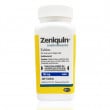




What is Zeniquin?
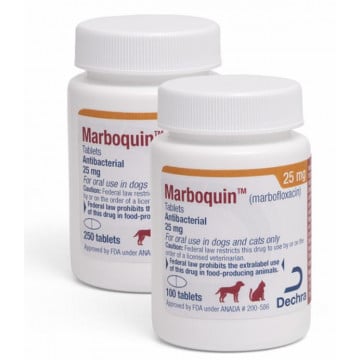
Zeniquin (marbofloxacin) Tablets are indicated for the treatment of skin and soft-tissue infections in dogs and cats and urinary tract infections in dogs with bacteria susceptible to marbofloxacin. Zeniquin requires a prescription from your veterinarian, and is sold by the tablet.
For:
Cats (over 12 months of age); Dogs (small and medium breeds over 8 months of age, large breeds over 12 months of age and giant breeds over 18 months of age)
Benefits:
- Convenient once-a-day dosing.
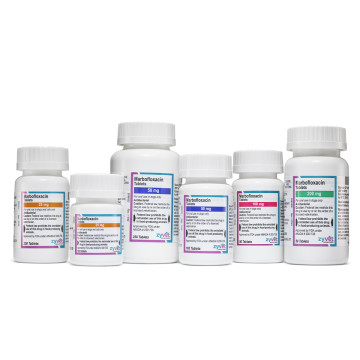
- Scored and film-coated tablets are available in 4 sizes, providing flexible dosing for small to giant-sized breeds
Cautions:
Zeniquin is not recommended for use in immature cats or dogs during the rapid growth phase, or in cats or dogs known to be hypersensitive to fluoroquinolones. People with a history of hypersensitivity/allergy to fluoroquinolones should avoid this product. Tell your veterinarian if your pet has seizures or other central nervous system disorders, or if your pet is breeding, pregnant, or lactating. Do not give Zeniquin within two hours of administering Carafate (sucralfate), antacids, or foods and vitamin/mineral products containing iron, aluminum, calcium, magnesium, or zinc.
Brand Name:
Zeniquin (Zoetis)
Generic Name:
marbofloxacin
What happens if I miss giving a dose:
Give the missed dose as soon as possible. However, if it is almost time for the next regularly scheduled dose, skip the missed dose and give the next one as directed. Do not give a double dose of the medication.
Possible side effects of Zeniquin:
Stop giving the medication and seek emergency veterinary care if your pet experiences an allergic reaction (difficulty breathing; closing of the throat; swelling of the lips, tongue or face; or hives). Continue to give the medication and talk to your veterinarian if your pet experiences loss of appetite, vomiting, diarrhea, dizziness, or drowsiness.
Storage:
Store Zeniquin at room temperature away from moisture and heat.
Directions:
Give this medication as directed by your veterinarian. Give all of the medication your veterinarian has prescribed. Symptoms may start to improve before the infection is completely treated. Treatment should continue for a maximum of 30 days; however, if there is no improvement after 5 days, your pet should be reevaluated.
Dosage:
Dogs: (Over 8-18 months of age depending on breed) /Cats: (Over 12 months of age) | |
| Weight | Dosage |
| All weights | The usual dose 1.25mg per pound of pet's body weight given once a day, but the dosage may be increased to 2.5mg per pound of pet's body weight. For treatment of skin and soft tissue infections, give for 2-3 days after symptoms are gone, for a maximum of 30 days. For treatment of urinary tract infections, give for at least 10 days. However, if there is no improvement after 5 days the pet should be reevaluated. |
| Horses: |
| Do not use! |
Zeniquin: | |
Active Ingredients (per tablet): | |
| Marbofloxacin | 25 mg |
Zeniquin: | |
Active Ingredients (per tablet): | |
| Marbofloxacin | 50 mg |
Zeniquin: | |
Active Ingredients (per tablet): | |
| Marbofloxacin | 100 mg |
Zeniquin: | |
Active Ingredients (per tablet): | |
| Marbofloxacin | 200 mg |
Benefits:
- Convenient once-a-day dosing.
- Scored and film-coated tablets are available in 4 sizes, providing flexible dosing for small to giant-sized breeds
15 other products in the same category:
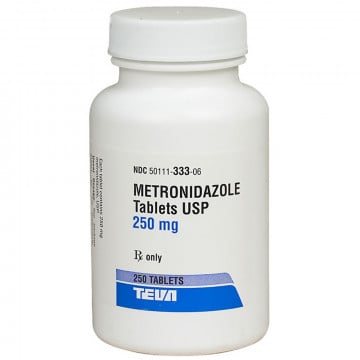
Metronidazole
Metronidazole is an antibiotic and antiprotozoal medication used to treat various conditions such as inflammatory bowel disease, nonspecific diarrheal disorders, infections caused by Giardia (a cause of diarrhea), and periodontal disease. Metronidazole requires a prescription from your veterinarian, and is sold by the tablet.
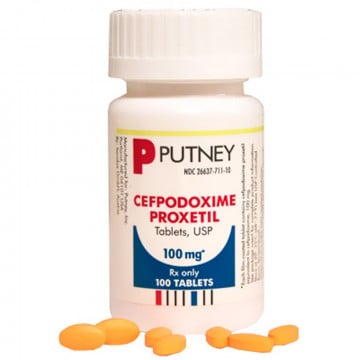
Cefpodoxime Proxetil
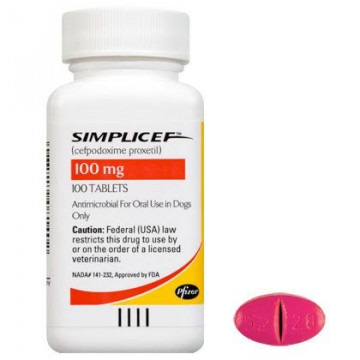
Cefpodoxime proxetil is an oral cephalosporin antibiotic used to treat bacterial infections of the skin, such as wounds, abscesses as well as bladder and respiratory infections in dogs and skin and soft tissue infections in cats. Cefpodoxime proxetil is not FDA approved for use in veterinary medicine; however, it is a commonly accepted practice for veterinarians to prescribe.
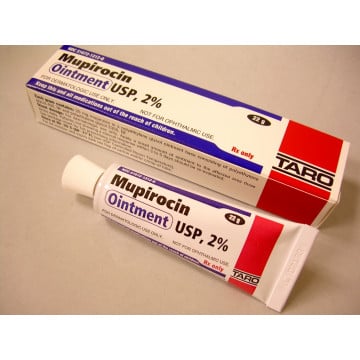
Mupirocin Ointment
Mupirocin is an antibiotic ointment used for the treatment of canine bacterial infections of the skin. These skin infections can include superficial pyoderma, caused by susceptible strains of Staphylococcus aureus and Staphylococcus intermedius. Mupirocin requires a prescription from your veterinarian.
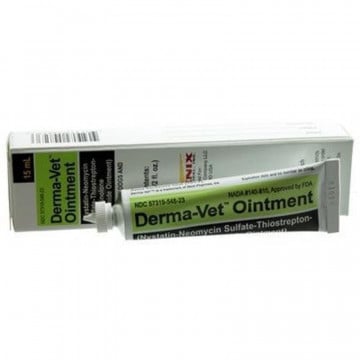
Derma-Vet (compare to Dermalone)
Derma-Vet Ointment is an antimicrobial, antifungal and corticosteroid formulation in an easy-to-apply topical gel base used in the treatment of skin disorders characterized by inflammation and dry or exudative dermatitis caused by bacterial or candidal infections.
Out of stock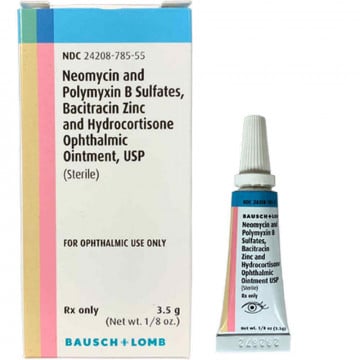
BNP with Hydrocortisone Triple...
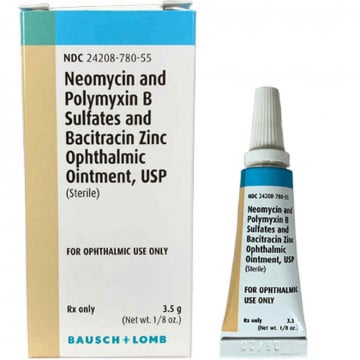
B.N.P. with Hydrocortisone Triple Antibiotic Ophthalmic Ointment is a sterile ointment that is used to topically treat eye infections that are accompanied by inflammation. B.N.P. with Hydrocortisone Triple Antibiotic Ophthalmic Ointment requires a prescription from your veterinarian.


Added to Cart